Australia is a leading destination for travelers. The country is known for its safety, open spaces, and welcoming culture. You can explore coastal drives, busy cities, and quiet towns with relative ease.
A smooth trip depends on preparation and thoughtful planning. You must plan for long distances, strong sun exposure, and unfamiliar health systems. Even the most minor oversights can impact your comfort and confidence. Smart travel requires a holistic approach that includes protecting your body, managing stress, and preparing for health issues. With the right approach, you can enjoy Australia fully while staying in control of your wellbeing.
Your preparation should begin with a clear awareness of the surroundings you’ll encounter. In Australia, climate and geography play a major role in shaping those conditions.
Climate Exposure and Geographic Realities You Can’t Ignore
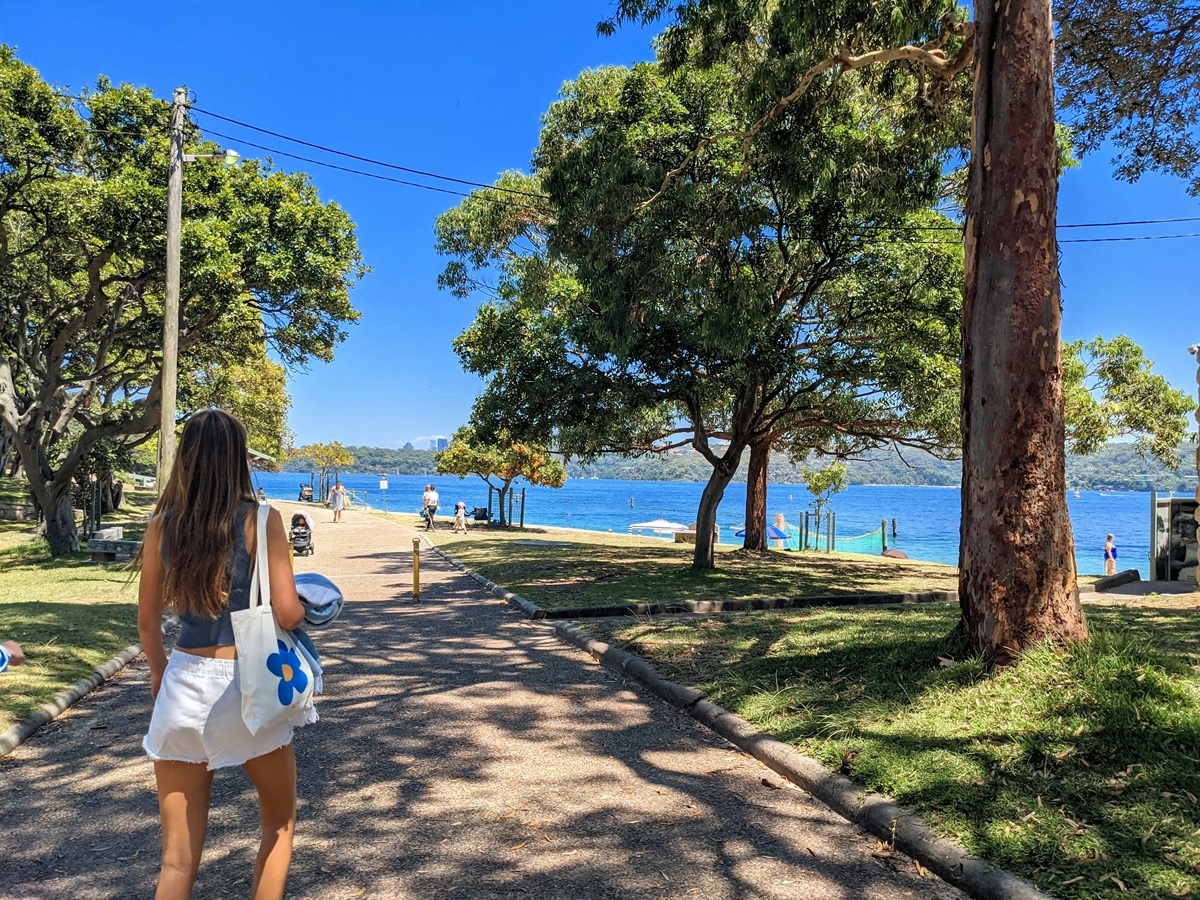
Australia’s sun is intense and demands caution. Many regions record some of the highest UV levels in the world. You should consistently apply high-strength SPF 50+ sunscreen to combat the record UV levels.
Heat waves and bushfire seasons can also affect air quality. You should check local fire and weather alerts before you travel inland. Logistics often cause more stress than risk. ABC News highlights that geography itself creates a barrier for many women who travel alone.
Vast distances and unfamiliar transport systems increase anxiety more than direct safety threats. Several women shared that media coverage often frames solo travel as dangerous, which can amplify fear before departure. Yet many described their trips as deeply freeing once they arrived.
That said, plan thoroughly before you go remote. Map nearby clinics before visiting remote areas. Do not assume quick access to care outside major cities. Packing decisions matter more than you think. CNN Underscored advises solo female travelers to focus on practical health tools, not trendy gear.
Experts recommend portable door locks for added room security, filtered water bottles for safer hydration, compact first aid kits, and backup charging devices. The focus remains on prevention and self-reliance. Small preventive tools can reduce bigger health risks later.
Long-Haul Flights and Personal Medical Planning
Travel to Australia often involves long transit times and time zone shifts. Even shorter routes can mean prolonged sitting, which affects circulation and comfort. So, stand, stretch, and stay hydrated. This physical stress makes pre-trip health planning vital.
Review your prescriptions and any implanted medical devices before departure to ensure stability. Carry a brief medical summary in case you need care abroad. Recent court decisions show why informed planning matters. The Conversation reports that an Australian class action involving the Essure contraceptive device failed in late 2024.
The court ruled the device wasn’t defective under local law, despite many women reporting chronic pain. This case shows why you must understand your specific medical history. For example, in the United States, there’s an increase in litigation over claims that the copper IUD can fracture during removal.
According to TorHoerman Law, the device damage left many patients with long-term pain and reproductive damage that required corrective surgeries. While these legal issues are specific to the US, they highlight why global health awareness matters before travel.
You should stay updated on projected Paragard IUD lawsuit settlement amounts to ensure you can afford any future corrective care. While these American legal outcomes don’t apply to the Australian system, they remind you to be your own advocate. Confirm your travel insurance covers specialized care before you depart to keep your long-term wellness secure.
Psychological Resilience and Safety Decision-Making on the Road
Jet lag affects your thinking. Decision fatigue increases during the first two days. You may feel strong emotions after the initial excitement fades. Simple systems reduce that mental load.
Business Insider outlines specific safety tools and habits from a solo traveler who visited all 50 U.S. states. Her approach includes carrying a doorstop alarm for hotel rooms, along with a whistle or personal alarm. For remote trips, she brings a satellite communicator.
Additionally, she avoids posting on social media in real time and shares live location with trusted contacts. She also recommends using navigation apps before arrival, keeping devices fully charged, and trusting your intuition if a situation feels wrong. A backup plan is always in place in case plans change.
You can apply the same structure in Australia. Book your accommodation in advance and share your itinerary with someone you trust. Blend into your surroundings. Dress in a way that doesn’t draw attention. Learn local transport routes before you land. Your mental clarity affects your safety.
If you feel overwhelmed, pause and reset. Confidence stems from meticulous planning and situational awareness.
Cultural Awareness as a Safety and Wellness Strategy
Your health also depends on the environments you choose. Structured and community-led tourism can offer safer experiences. Real examples across Australia show how this works in practice.
Travel and Tour World reports that Indigenous women across Australia are leading cultural tourism initiatives tied to Discover Aboriginal Experiences. It highlights leaders such as Qalangka culture founder Elisha Kissick, guide Rosanna Angus of Djarindjin and Cygnet Bay, and Dale Tilbrook in Western Australia.
These women design immersive programs that share land, language, food, and ancestral knowledge directly with visitors. The report also notes contributions from Delta Kay in Byron Bay. It highlights Natalie Smith in Tropical North Queensland. Both guide visitors through coastal and reef landscapes while sharing cultural knowledge linked to Country and community.
Programs like these create respectful and guided visitor spaces. When you choose such tours, you often enter settings with clear leadership and cultural protocols. That reduces uncertainty in unfamiliar areas. You should research who runs the tour before booking. Support operators that work directly with Indigenous communities.
Cultural respect improves your experience and lowers friction and misunderstandings. Safety includes personal awareness and responsible participation in the communities you visit.
People Also Ask
1. Is Australia safe for solo female travelers?
Australia ranks among the safer travel destinations globally, with low violent crime rates in major cities. Still, safety depends on location and timing. Urban areas are generally secure, but remote regions require planning. Stay aware at night, use licensed transport, and monitor local alerts for weather or environmental risks.
2. What health insurance do you need when traveling to Australia alone?
Australia’s public healthcare system mainly supports residents. As a visitor, you usually pay upfront for treatment. Comprehensive travel insurance should cover emergency care, hospital stays, evacuation from remote areas, and specialist visits. Review policy limits carefully and confirm coverage for pre-existing medical conditions before departure.
3. Which vaccinations or health documents are required for entry into Australia?
Most travelers don’t need specific vaccinations for entry. However, you must present a yellow fever certificate if arriving from an at-risk country. It’s also vital to be up-to-date on routine vaccinations such as tetanus and MMR. Always carry a digital record of your prescriptions for customs clearance.
Solo travel in Australia offers freedom and growth. You gain independence and clarity through the journey. Preparation strengthens that freedom and keeps you in control.
You should understand the climate, review your health history, and build emotional resilience. You should also choose environments that value safety and respect. When you plan with care, you travel with confidence. And confidence makes every mile feel lighter.